
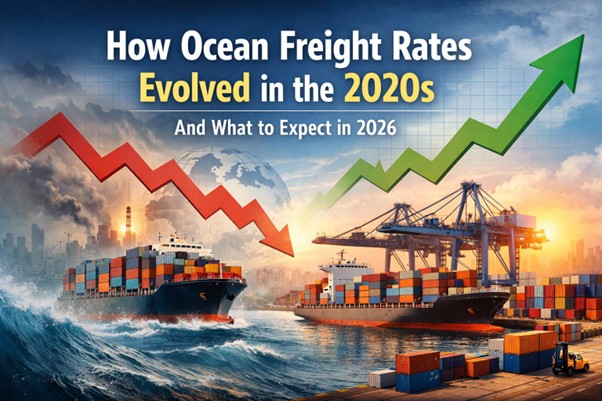
1. Capacity Growth Global container fleet expansion remains significant. The oversupply of vessels relative to cargo demand may continue to weigh on spot rates unless capacity is carefully managed.
2. Environmental Regulations Stricter emissions standards and carbon compliance mechanisms are increasing operational costs for carriers. Measures related to vessel efficiency and emissions reporting are becoming more central to shipping economics, influencing both route planning and pricing strategies.
3. Pricing Stabilisation Industry analysts anticipate that average freight rates could gradually trend closer to pre-pandemic norms, though likely with more structural cost components embedded due to regulatory compliance and fuel transitions.
What This Means for Businesses
For shippers, a more competitive freight environment may create opportunities to renegotiate long-term contracts and diversify logistics strategies.
For carriers, margin protection will depend on disciplined capacity management, operational efficiency, and adaptation to evolving environmental standards.
Despite expectations of moderation, volatility remains a defining feature of global shipping. Trade policies, regional conflicts, fuel prices, and economic growth trends will continue to influence the market.
Leave Your Reply